Community
Adoption Day gives 13 children permanent homes in Pasco County
By Marcus Chen
Advertisement · Why this ad?
Marcus manages the day-to-day editorial workflow across all brands, coordinating coverage assignments and ensuring editorial standards are met. He previously served as city editor at the Pioneer Press and holds a degree in Political Science from Carleton College.
More from Marcus →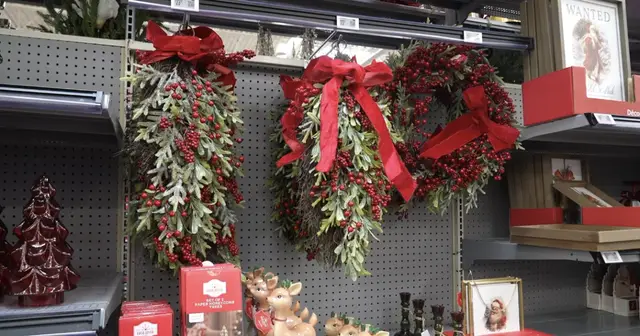
The scent of pine needles and the sparkle of lights are cherished holiday traditions, but this year, many Dunedin families are feeling the pinch. Nearly half of Americans are planning to scale back their holiday décor spending this year, a reflection of rising costs that have hit everything from artificial trees to tinsel. A recent survey revealed that 45% of consumers intend to spend less, and a surprising 30% aren’t buying any new decorations at all, especially as prices have jumped a noticeable 10% in the past year. But there are strategies for maintaining that festive spirit without breaking the bank, and understanding those can make a real difference for Dunedin residents this holiday season.
The rising cost of holiday decorations isn't just a feeling; it's backed by numbers. Tariffs and increased diesel costs have pushed artificial Christmas tree prices up between 10% and 15% over the past two holiday seasons. A broader 10% increase in overall holiday décor has compounded the issue, leading to widespread reassessment of holiday budgets. The Real Christmas Tree Board reports that nine out of ten wholesale growers aren’t planning to raise prices, offering a glimmer of hope for those who prefer the traditional scent and look of a real tree. This price stability contrasts sharply with the increases seen in artificial trees and other decorations, creating a complex landscape for holiday shoppers.
According to a recent survey, 45% of Americans are planning to spend less on holiday decorations this year, while 30% aren’t buying any new decorations at all. This shift is largely driven by price increases – artificial Christmas trees have seen a 10% to 15% jump in price over the past two seasons, and overall holiday décor has also increased by 10%. The Real Christmas Tree Board’s finding that 91% of wholesale growers aren’t raising prices offers a rare piece of good news for those who prefer a real tree. Ultimately, the key to navigating this holiday season lies in understanding the difference between simply finding the “cheapest” option and seeking the “best value” – a distinction emphasized by Chris Butler, CEO of National Tree Company.
The shift in holiday spending habits reflects broader economic pressures impacting Dunedin families and communities across the nation. While some may cut back entirely, others are seeking creative ways to maintain traditions while managing their budgets. This includes exploring alternatives like real trees over artificial ones, focusing on coordinated décor collections to maximize value, and comparing prices across multiple retailers to ensure they’re getting the best possible deals. The ability to adapt and find resourceful solutions is a testament to the resilience and ingenuity of Dunedin residents.
Choosing between a real and an artificial Christmas tree involves more than just aesthetics; it’s a financial decision with long-term implications. A real tree typically has a lower upfront cost, while an artificial tree requires a higher initial investment but spreads the cost across multiple seasons. The annual cost for a real tree involves repurchase each year, whereas an artificial tree’s cost is amortized over its lifespan. This year, the price trend favors real trees, as 91% of growers aren’t raising prices, offering a degree of stability not seen in the artificial tree market, which has seen prices rise 10% to 15% over the past two seasons. For families prioritizing affordability and a traditional experience, a real tree may be the more sensible choice.
A comparison chart highlights the key differences between real and artificial trees:
| Real Tree | Budget Artificial | Mid-Range Artificial | |
|---|---|---|---|
| Upfront Cost | Typically lower than mid/high artificial | $50 and up at Walmart | Higher upfront investment |
| Annual Cost | Repurchase every year | Spreads across many seasons | Spreads across many seasons |
| Setup Time | Assembly required | Varies by model | Some pop into shape in under 1 minute |
| Price Trend This Year | 91% of growers not raising prices | Up 10–15% over 2 seasons | Up 10–15% over 2 seasons |
| Extras Available | Natural scent and look | Basic options | Rotating bases, switchable lighting |
For those who already own a well-maintained artificial tree, the most financially savvy approach may be to simply keep it. Adding a few new ornaments or a smaller secondary tree in another room can provide a fresh look without incurring the expense of a completely new setup. This strategic approach allows families to enjoy the festive atmosphere without overspending, demonstrating that small changes can make a big difference in managing holiday expenses.
Savvy holiday shoppers are asking the right questions to ensure they’re getting the best value for their money. One common misconception is that the cheapest option is always the best – Chris Butler, CEO of National Tree Company, emphasizes that shoppers should prioritize “best value and the thing that comes with the best functionality.” This perspective shifts the focus from simply minimizing cost to maximizing overall benefit. A quick quiz reveals common misconceptions about holiday décor pricing and trends, highlighting the importance of informed decision-making.
Quiz: How Holiday-Smart Is Your Shopping Strategy?
The rising cost of holiday décor isn't just about the price tag; it’s a reflection of broader economic anxieties that many Dunedin families are facing. It's a reminder that the American dream – the ability to provide a comfortable and joyful home for your family – requires more than just income; it demands careful planning and resourcefulness. While the allure of elaborate displays is undeniable, it's important to remember that the true spirit of the holidays lies in connection, gratitude, and shared experiences, not in the quantity of ornaments or the brightness of the lights.
I've seen firsthand how families thrive when they prioritize stability – a committed marriage, a strong family unit, and a sense of community. These are the foundations upon which lasting joy is built, and they’re far more valuable than any fleeting material possession. The current economic climate presents an opportunity to re-evaluate our priorities and focus on what truly matters. Perhaps this year, instead of striving for the most extravagant decorations, we can invest in creating lasting memories with loved ones, supporting local charities, or simply taking the time to appreciate the blessings we already have.
The advice from experts like Chris Butler – to prioritize value and functionality over sheer cost – resonates deeply. It's a principle that applies not just to holiday décor, but to all aspects of life. It's about making wise choices, being mindful of our resources, and finding joy in the simple things. As we approach this holiday season, let’s remember that true abundance isn’t measured in dollars and cents, but in the richness of our relationships and the strength of our community.
As Dunedin residents navigate this holiday season, several key factors will continue to shape their shopping decisions. The stability of real tree prices, currently bolstered by the Real Christmas Tree Board’s finding that 91% of growers aren’t raising prices, will likely remain a significant draw for many families. However, the ongoing pressures of inflation and supply chain challenges could still impact the availability and cost of other holiday decorations. Staying informed about these trends and comparing prices across multiple retailers will be essential for maximizing savings.
Chris Butler’s advice to consider coordinated décor collections rather than individual pieces offers a valuable strategy for families seeking to refresh their holiday look without breaking the bank. These collections, often available at retailers like Walmart, bundle trees, wreaths, doormats, and tree skirts together, providing a more cost-effective solution than purchasing items separately. Furthermore, the emphasis on convenience and ease of setup when choosing an artificial tree suggests that innovation in this area will continue to drive consumer preferences.
For additional resources and information, visit: The Real Christmas Tree Board, National Tree Company, Walmart, The City of Dunedin, and Pinellas County.
Ultimately, the holiday season is about more than just decorations; it’s about celebrating traditions, strengthening family bonds, and expressing gratitude. By approaching holiday spending with wisdom and resourcefulness, Dunedin residents can ensure that the joy of the season shines brightly for all.
By Marcus Chen

By Marcus Chen

By Katherine Langford

By Marcus Chen